Product

Why offline-first matters for apps built in Tanzania

Connectivity across Tanzania has improved dramatically in the last few years, but 3G drop-outs, load shedding and shared data bundles are still part of daily life for most users. If your app assumes a constant, fast connection, you are designing for a small slice of your real audience.

At UbuTechHub, offline-first is not an afterthought. We cache critical data on the device, queue actions taken while offline, and sync quietly once a connection returns. The result is software that feels fast and dependable everywhere it is used, from Arusha to the villages beyond the grid.
Share:
Company News

Mwalimu AI: Bringing AI to Tanzanian Schools Without Depending on the Internet

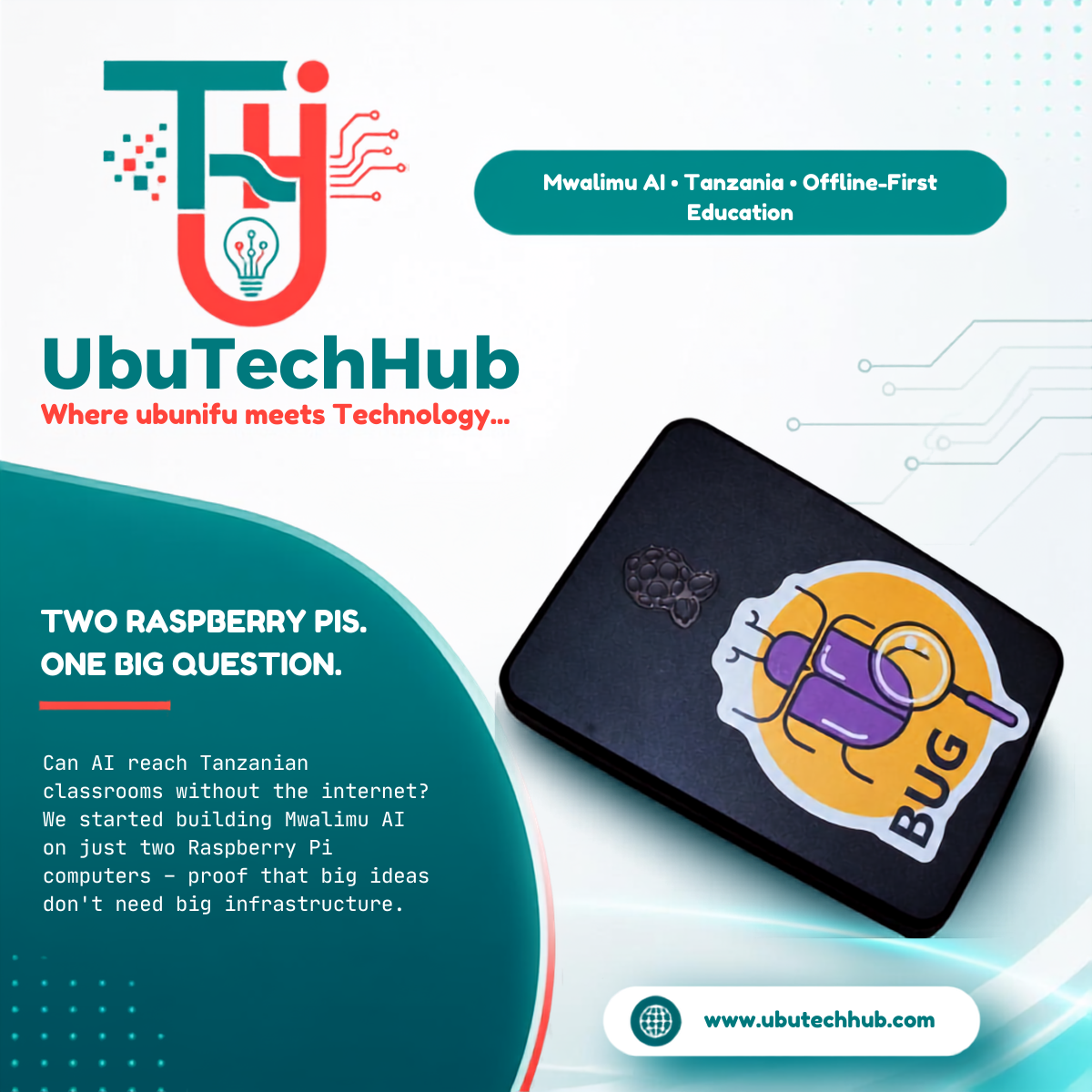
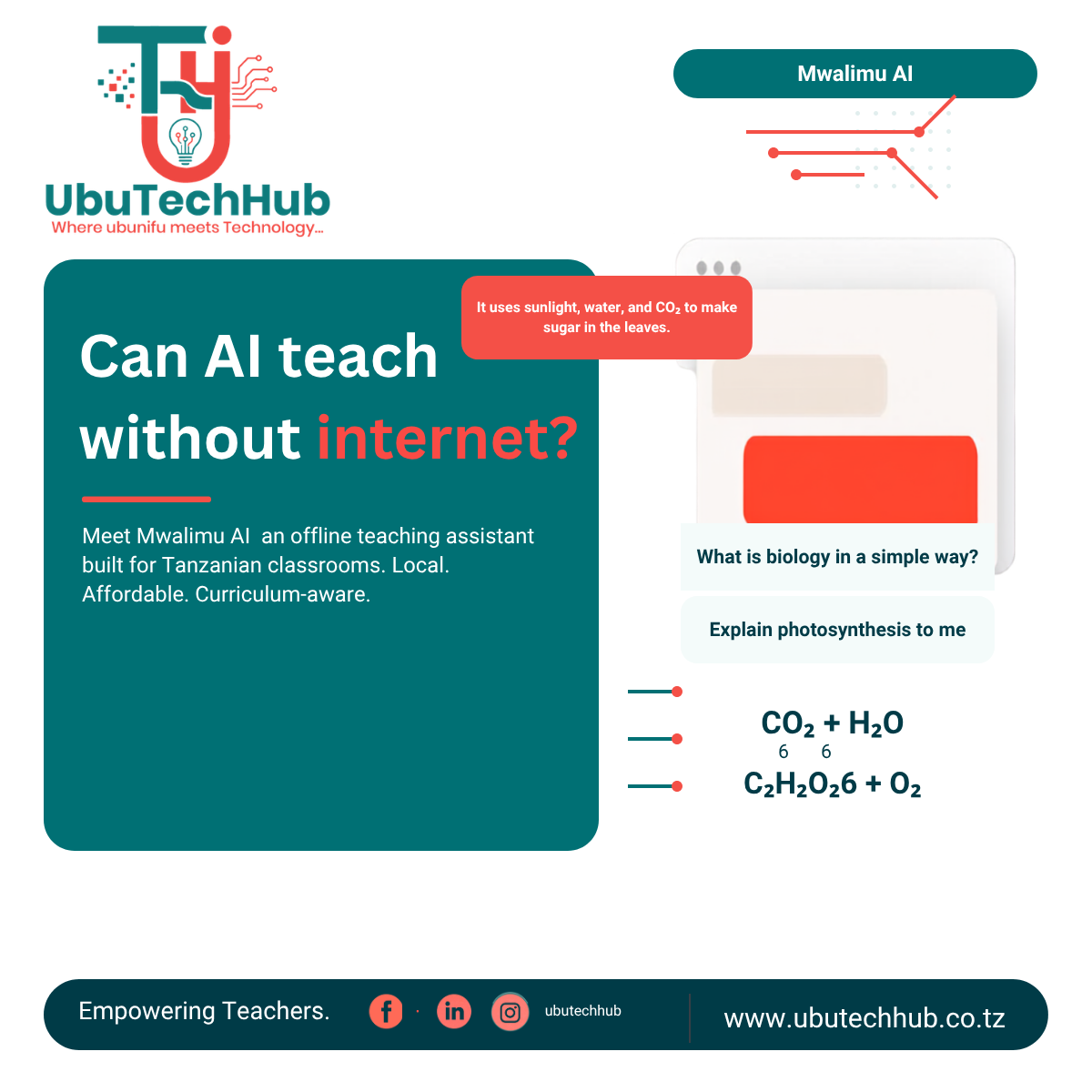
Mwalimu AI is a project by UbuTechHub exploring how AI can support Tanzanian schools without depending on reliable internet access. The project uses affordable local hardware, such as Raspberry Pi computers, to run an AI teaching assistant that teachers and students can access through a local network. The system is designed to support tasks such as lesson preparation, generating exercises, explaining difficult topics, revision, and answering questions in English and Kiswahili, with content relevant to the Tanzanian curriculum. The project focuses on real local challenges, including unreliable internet, limited computing resources, electricity constraints, affordability, and classroom needs. Rather than making internet access a requirement, Mwalimu AI follows an “offline when necessary, connected when possible” approach, allowing systems to operate offline and synchronize updates when connectivity becomes available. The current prototype is only the beginning. UbuTechHub is researching its performance, scalability, Kiswahili capabilities, curriculum accuracy, reliability, cost, and actual usefulness to teachers and learners. Ultimately, Mwalimu AI aims to explore a broader local-first AI model for education in Tanzania and Africa, where AI is designed around African realities rather than assuming constant connectivity

Read post
Company News

From Two Raspberry Pi 5 to Mwalimu AI: Exploring Offline AI for Tanzanian Schools

Artificial intelligence is changing how teachers prepare lessons, create examinations, and develop learning materials. But most AI tools depend on the internet. Mwalimu AI explores a different approach: a local AI teaching assistant that can run inside a Tanzanian school using a Raspberry Pi, local educational resources, and a school Wi-Fi network.

Read post

Want to talk about a project, partnership or funding?

Whether it's client work, a pilot, or supporting what we're building, we would like to hear from you.

Get in touch